The complete Arashiyama Monkey Park (Iwatayama) guide
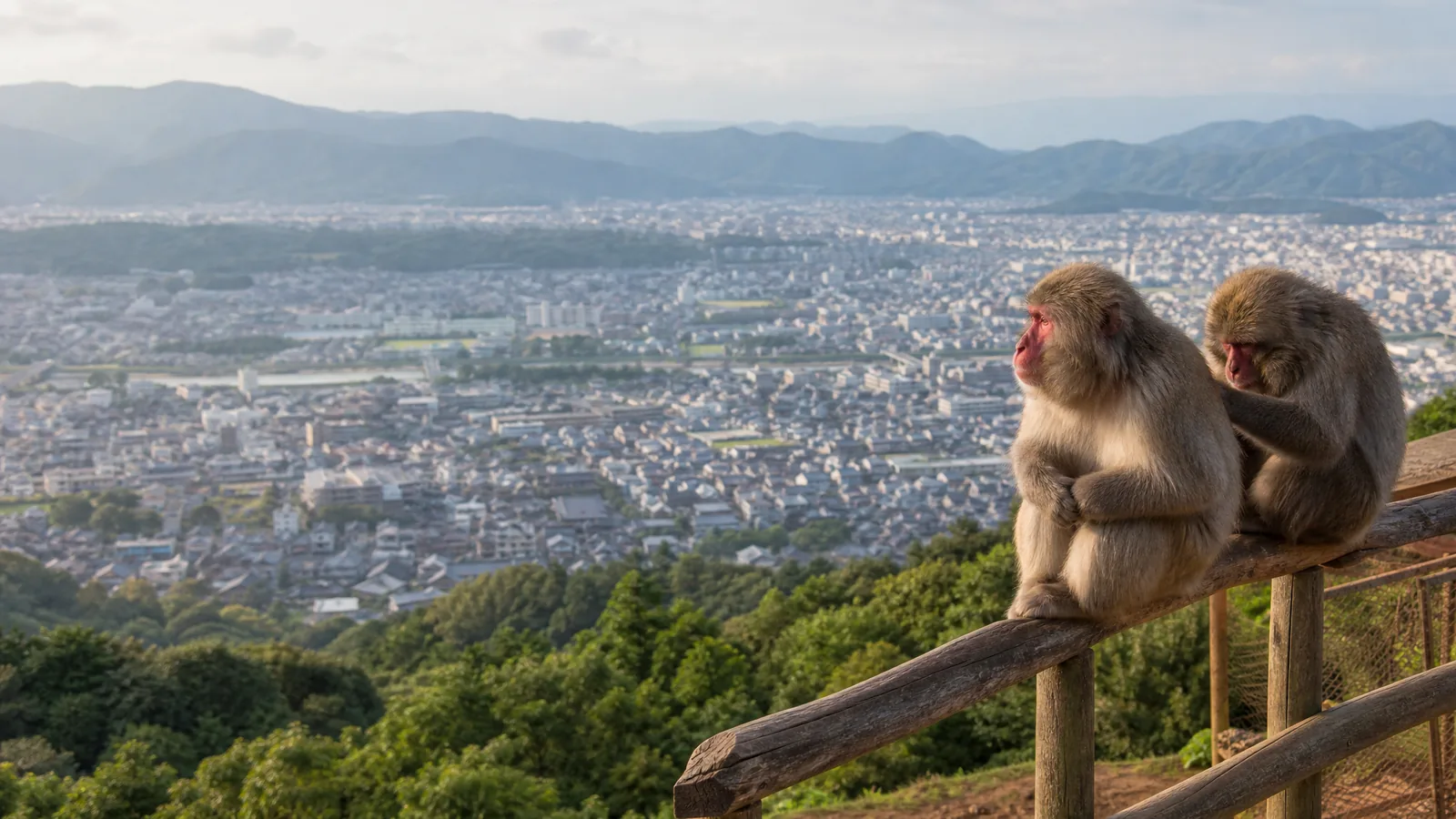
I’ve been leading walks through Arashiyama since 2014, and I’ve climbed to the monkey park more times than I can count. What I’ve seen change: tourists arrive expecting theme-park animals and online tickets. Neither exists. What’s actually here is worth more — wild macaques, a 160-metre hike with a view that covers Kyoto, and a feeding experience designed from the animals’ point of view, not the visitors’. Here’s what matters before you go.
The money: ¥800 cash, no booking
Entry is ¥800 (adults), ¥400 (children 4–15), under 4 free. Cash only, paid at the gate at the base of the mountain. There are no advance tickets, no online reservations, no skip-the-line options. You cannot book the park itself through us or anyone else. What you can book is a guided Arashiyama walking tour ($31–$285) that includes the park entry as part of a larger route through the Bamboo Grove and temples. The tour price doesn’t cover the ¥800 — that’s separate, paid in cash when you arrive.
The hike: steep but short
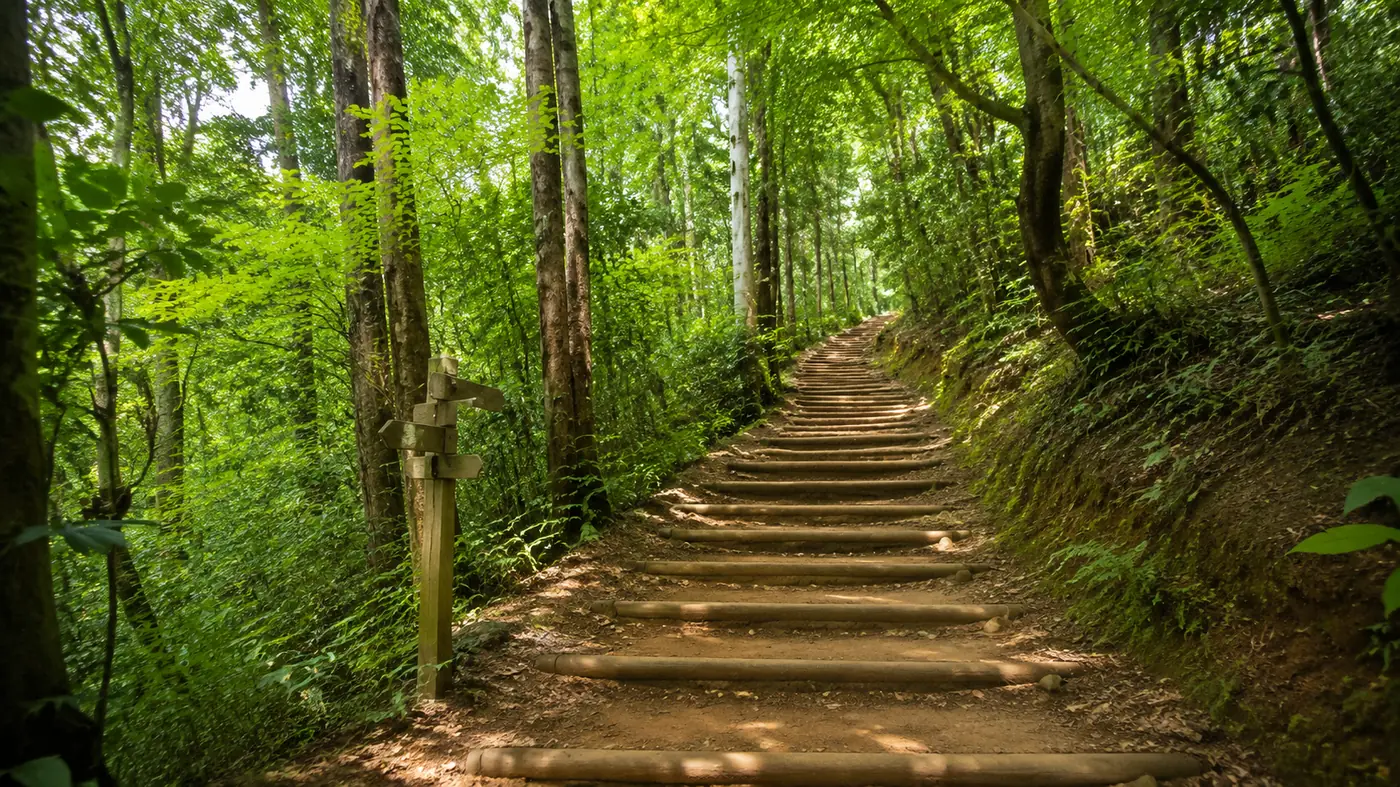
The walk from the entrance to the summit clearing is 20–30 minutes uphill, roughly 160 metres of elevation gain, on a well-kept dirt-and-steps path. It’s not stroller-friendly. Fine in normal trainers if you’re used to hills. If you don’t hike much, be warned: it’s steeper than it looks and the heat in summer makes it harder. The descent is easier on the knees but takes the same time. Bring water.
The monkeys: wild, not caged
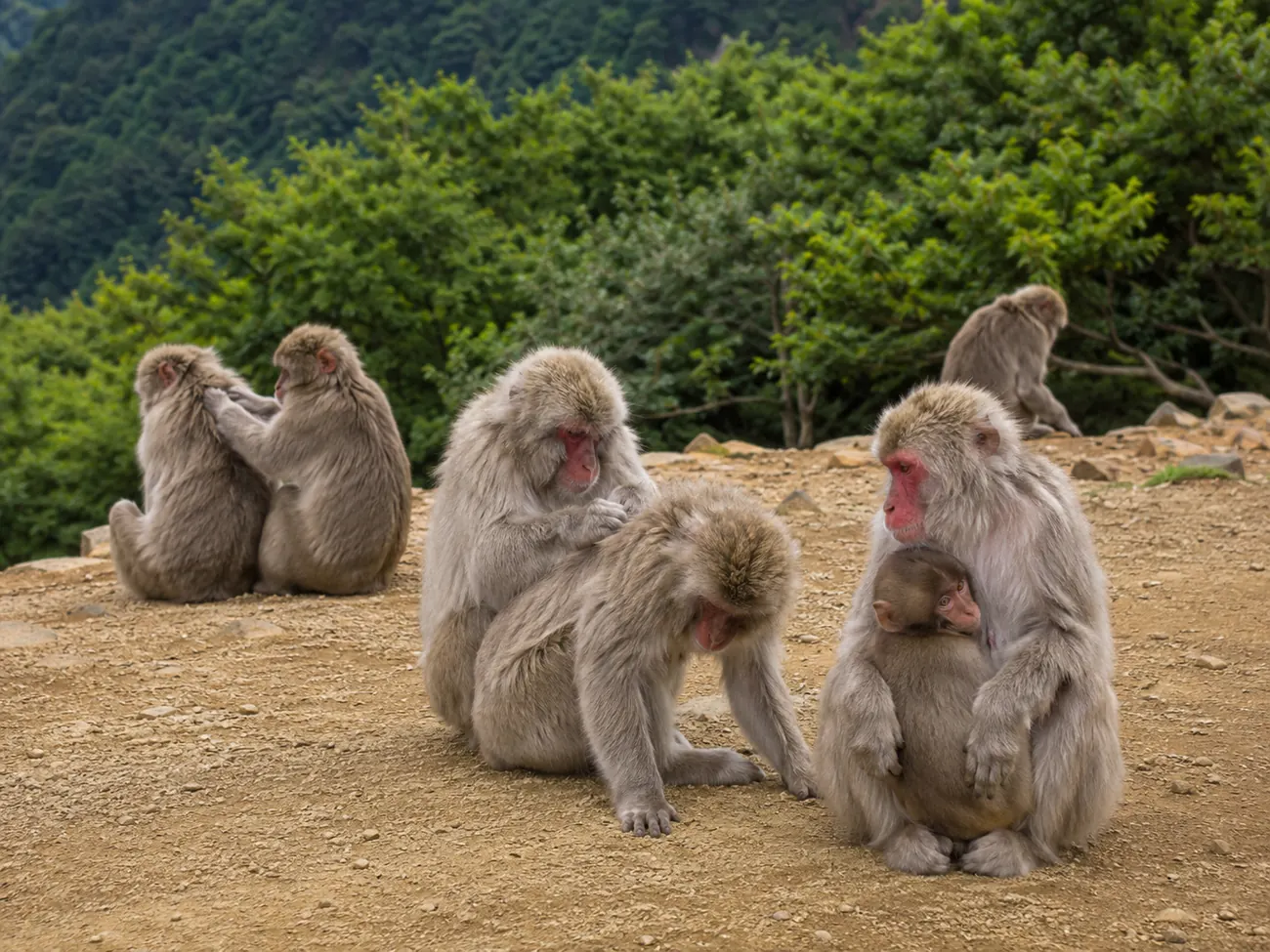
About 120 Japanese macaques (snow monkeys) live free on the mountain. They’re not in enclosures; they roam as they please and come down to the hut when they want food. Don’t touch them, don’t stare into their eyes (a threat display), don’t crouch near them. Most visitors manage this easily. Early morning (before 9:30 am) brings the most active monkeys and fewer tourists. Afternoons are calmer. April through July brings babies riding on mothers’ backs — the draw for many spring visitors.
The feeding hut: you in the cage
This is the park’s best-known feature and the thing that makes it ethically sound: the hut has a cage built around it, so humans sit inside and monkeys forage outside through the mesh. Buy a ¥100 bag of cut apples or peanuts and feed them directly. The role reversal — you behind bars — is the point. The monkeys control the interaction. You can’t reach out and touch them. It’s safer for everyone. This is the only place feeding happens; outside the hut, all food and plastic bags must be hidden (the monkeys have learned to steal backpacks and smash bags looking for snacks).
The view: the real reward
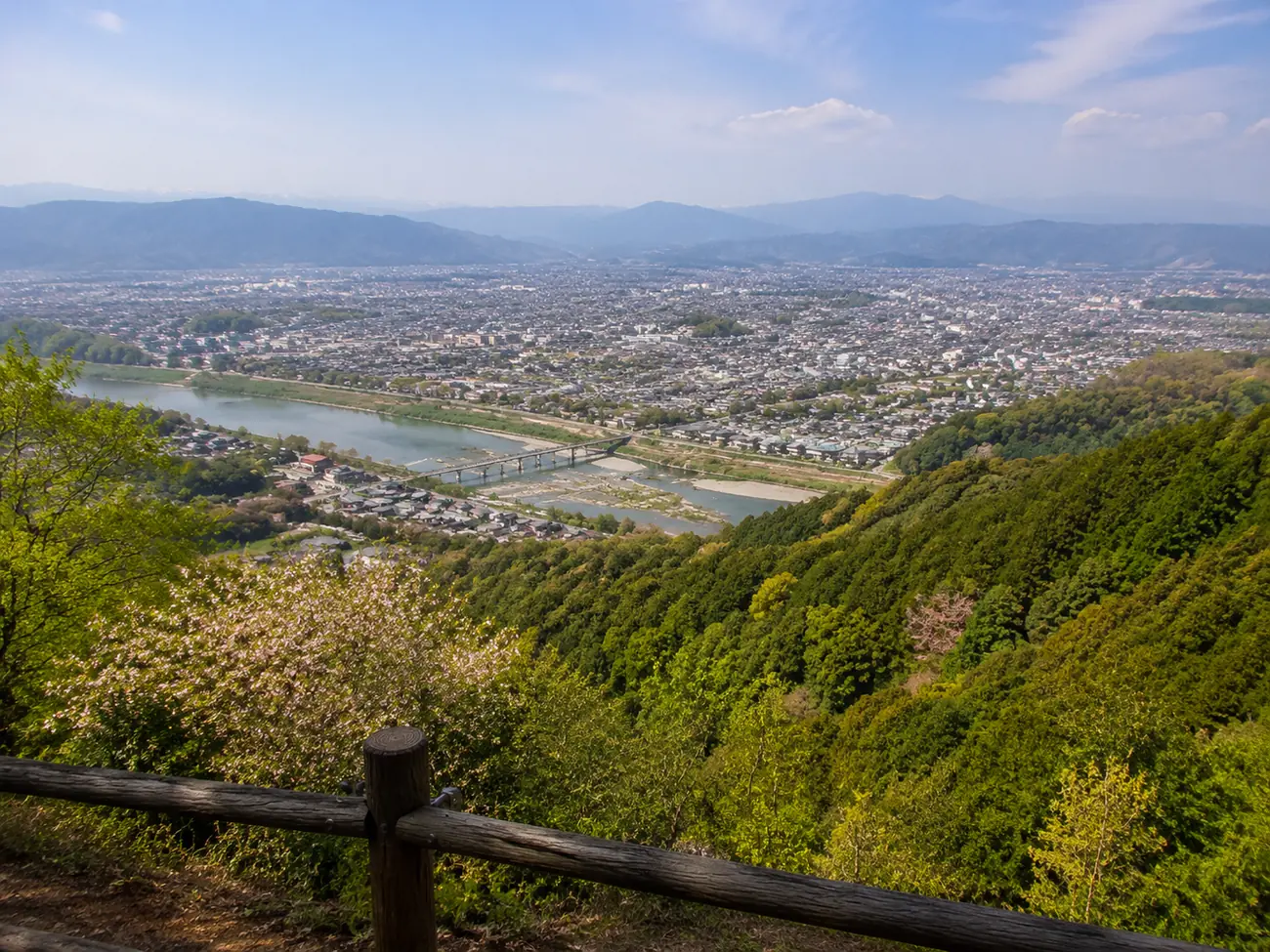
From the summit clearing, you see across the entire basin of Kyoto — the temples, the rivers, the mountains beyond. Many visitors say the view alone justifies the ¥800. Early morning light is better for photos. Midday haze and crowds peak around 11 am to 3 pm. By 4 pm the park is quieter.
Combining with the Bamboo Grove
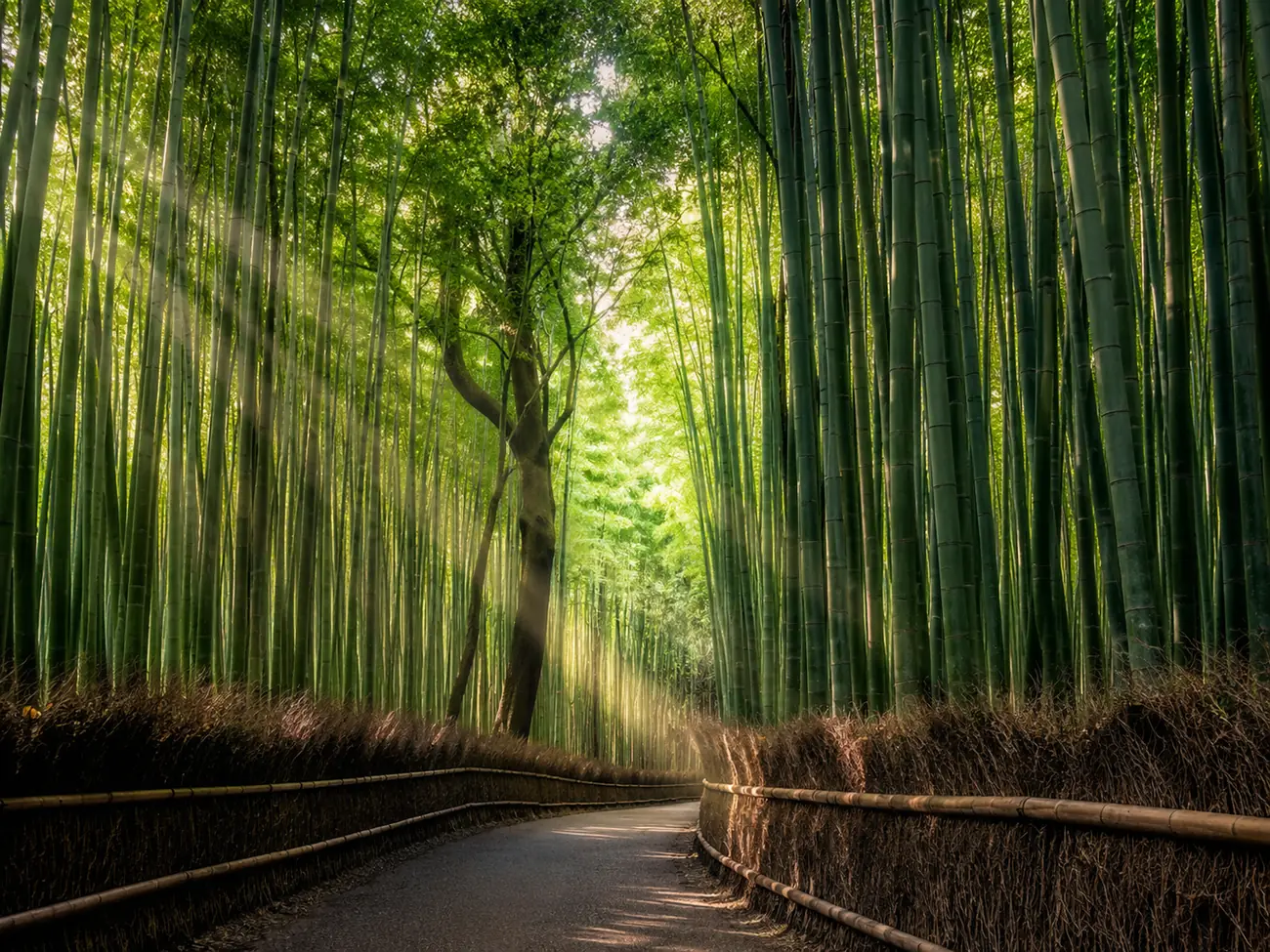
The Arashiyama Bamboo Grove is free, about 15–20 minutes’ walk downhill from the park, on the other side of the river. Doing both takes about 3–4 hours total (monkey park + walk down + grove). Guided tours package them together, add matcha tastings or sake on some versions, and weave in Tenryū-ji temple and the neighbourhood’s smaller shrines. A morning well spent.
The honest downsides
The park is popular, especially late morning. The hike is steep. The summit clearing is crowded midday and the monkeys more aggressive (they’ve learned that crowds = food = opportunity). If you’re injured, pregnant or have mobility issues, the climb is brutal. In summer the sun is relentless. If you go solo without a guide, you might miss the timing strategies that make the visit peaceful.
Which tour to book?
The classic walk ($59, 5–5.5 hours) covers everything: monkey park, Bamboo Grove, Tenryū-ji, and the back streets where locals eat. It’s the best all-rounder. On a budget, the value tour ($31, 4 hours) covers the same ground faster; the matcha tour ($43) adds a tea tasting (good for culture-focused visitors). The private day trip ($285, 6 hours) is custom-paced, often includes lunch and the Okochi Sanso villa — worth it for groups or special occasions. All include the park entry.
The bottom line
If you’re in Arashiyama and you don’t mind the hike, the monkey park delivers: wild animals, a real physical challenge, and a view that takes your breath away. Go early (before 9:30 am), bring water, wear good trainers, and go with a guide if the timing or route matters to you. Prices start at $31; the experience is priceless.
Check dates and book
If you want the whole morning handled — monkeys, bamboo, temple, stories — the classic walking tour is the one I recommend most often. Live availability below, free cancellation up to 24 hours before. Or compare all four tours first.
Frequently asked questions
Is Iwatayama Monkey Park the same as the Arashiyama Monkey Park?
Yes — one park, two names. The official name is Arashiyama Monkey Park Iwatayama: Iwatayama is Mount Iwata, the hill the troop lives on, and Arashiyama is the surrounding Kyoto district. If a map, sign or guidebook says “Iwatayama Monkey Park”, it means this exact place — the same entrance beside Togetsukyō Bridge, the same ¥800 cash entry.
Do I need a ticket or reservation for the Arashiyama Monkey Park?
No advance ticket exists — you pay ¥800 cash at the gate when you arrive. No reservations, no online sales, no skip-the-line option. What you can book is a guided Arashiyama tour that includes the park in a longer morning route.
How hard is the hike up to the monkey park?
About 20–30 minutes uphill, climbing roughly 160 metres on a well-kept dirt-and-step path. Most reasonably fit visitors manage it fine; it’s toughest in midsummer heat. Strollers stay at the bottom — baby carriers work better.
Can you touch or feed the monkeys?
Touching is never allowed. Feeding happens only inside the summit hut, where you buy a ¥100 bag of apple or peanuts and pass it through wire mesh — you’re in the cage, the monkeys are outside. Full etiquette in the rules guide.
What time should I visit the monkey park?
Morning. The park opens at 9:00 and the monkeys are most active early, before the midday lull. Baby monkeys arrive April–July. Last entry is about 30 minutes before the roughly 16:00 close — details on the opening-hours page.
Can I combine the monkey park with the Bamboo Grove?
Yes, and you should — the grove is free and a 15–20-minute walk from the park entrance at Togetsukyō Bridge. Our half-day route covers both, or a guided tour from $43 strings them together with a temple and matcha stop.